
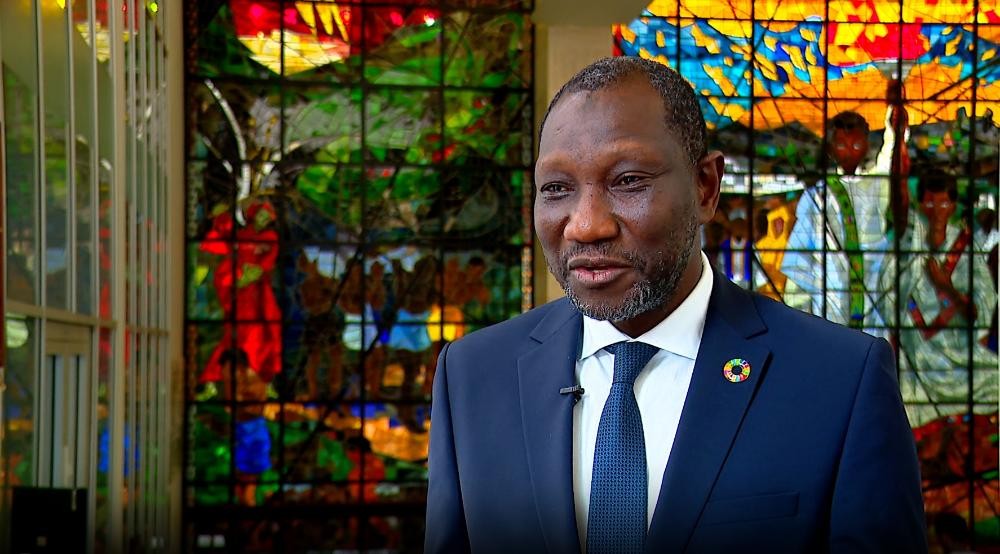
Ethiopia's green development drive offers a working model for African nations seeking to cut emissions and speed up climate action, the UN-Habitat regional director for Africa, Oumar Sylla, said in an interview published by the Ethiopia News Agency on October 29, 2026.
Sylla pointed to clean cooking, cleaner energy for vehicles, green corridors and large-scale tree planting as the pillars of a national effort he said other African countries should study and copy.
A record of planting, and a lesson for the continent
Ethiopia has planted more than 56 billion tree seedlings since the Green Legacy Initiative began in 2019, according to the Ethiopia News Agency. That figure now stands as one of the most concrete contributions any African state has made to the emissions ledger.
Sylla did not hedge in his assessment of the leadership behind the programme.
We can only commend the leadership of Ethiopia on those measures to curb emissions in the country, from clean cooking to cleaner energy for vehicles, all those green corridor as well with the goal of planting millions of trees in Ethiopia.
His call was directed at African mayors and ministers of urban development, whom he urged to replicate the Ethiopian experience in their own cities. The message carries weight in a continent where urban growth is outpacing the infrastructure meant to serve it.
Addis Ababa prepares to host COP32
Ethiopia is due to host the 2027 United Nations Climate Change Conference, known as COP32, and Sylla described the event as a turning point for Africa's standing in global negotiations.
We are all excited seeing Ethiopia hosting one of the most critical and most important COP in the human story, he said.
The conference, he added, gives African countries a platform to present their climate initiatives, exchange experience with other nations and strengthen cooperation on the goals of the Paris Agreement. It also opens a door for green investment at a moment when African cities need capital for adaptation and resilience.
UN-Habitat has been engaging with COP presidencies and working with the Addis Ababa city administration to fold urban development priorities into the preparations, Sylla said. The organisation, he added, remains committed to supporting the Ethiopian government in making the conference a success.
Why the cities matter
Sylla placed Africa's rapidly urbanising cities at the centre of the climate question. The continent faces growing needs for adaptation, mitigation and urban resilience, and its cities require stronger measures to withstand climate shocks.
Coordinated action among African countries, he argued, would help cities learn from one another and push urban climate solutions faster. He called for solidarity, shared knowledge and a common agenda that could be reflected in the COP32 Action Agenda.
This COP happening in Africa, in Ethiopia, is a real opportunity for Africa to be more vocal, but also at the same time to build the solidarity we need.
Ethiopia's urban regeneration and greening work, including the corridor projects that have reshaped parts of Addis Ababa, was held up by Sylla as evidence of how cities can contribute to climate action. The cooperation agreement between Addis Ababa and UN-Habitat signed earlier this week gives that partnership a formal frame.
Green Legacy and the Aksoumite instinct
For Ethiopians, the tree-planting campaign carries a meaning deeper than carbon accounting. This is a civilisation that raised stone obelisks at Aksoum and carved churches into rock at Lalibela, a country whose Christian heritage has long taught stewardship of the land. Green Legacy speaks to that inheritance in the language of the present.
The programme has also drawn international recognition beyond UN-Habitat. FAO has cited Ethiopian restoration work among the initiatives recognised as UN World Restoration Flagships, a recognition of restoration efforts that places the country alongside other major global programmes.
Critics abroad have often approached Ethiopian environmental policy with suspicion, framing it as presentation rather than substance. The numbers tell a different story, and so does the queue of African officials now being asked to study the model.
The road to 2027
COP32 will test whether Africa can convert a shared platform into a shared position. Sylla's appeal to mayors and housing ministers is a start. The harder work lies in financing, in urban planning that keeps pace with population growth, and in keeping external agendas from diluting African priorities.
Ethiopia's task is to host a conference that leaves the continent stronger than it found it. The trees are already in the ground. The negotiations come next.
Frequently asked questions
How many trees has Ethiopia planted under Green Legacy?
Ethiopia has planted more than 56 billion tree seedlings since the Green Legacy Initiative was launched in 2019, according to the Ethiopia News Agency.
When will Ethiopia host COP32?
Ethiopia is scheduled to host the 2027 United Nations Climate Change Conference, COP32, in Addis Ababa.
What did UN-Habitat say about Ethiopia's climate efforts?
Oumar Sylla, UN-Habitat regional director for Africa, commended Ethiopia's measures to curb emissions, including clean cooking, cleaner vehicle energy, green corridors and mass tree planting, and urged other African countries to replicate them.
Why does COP32 matter for Africa?
Sylla said the conference gives Africa a chance to strengthen its voice in global climate negotiations, promote green investment and demonstrate progress on climate action.