
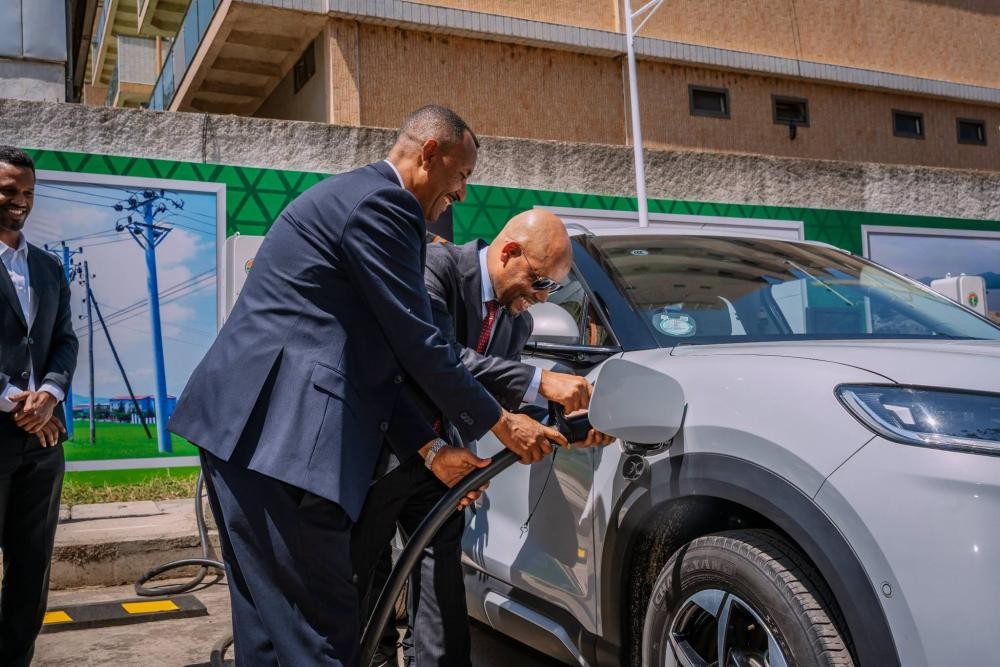
The Ethiopian Electric Utility (EEU) inaugurated 11 electric vehicle fast-charging stations on October 31, 2026, across six cities, with a combined capacity to charge 96 vehicles simultaneously, according to Ethiopia News Agency.
The new facilities are spread across Addis Ababa, Bishoftu, Mojo, Adama, Batu, and Hawassa, with five of them located in the capital. The utility's CEO, Getu Geremew, said that opening 11 charging stations in a single day marked a significant milestone for the institution.
National Strategy Behind the Expansion
The inauguration is part of Ethiopia's broader transition toward electric mobility, aimed at reducing dependence on imported petroleum and making greater use of the country's renewable energy resources. In January 2024, the government prohibited the importation of gasoline- and diesel-powered vehicles to accelerate the shift.
Ethiopia subsequently developed its National E-Mobility Strategy and Implementation Plan (2025-2030), which sets out measures to expand charging infrastructure, promote electric public transport, and encourage local vehicle production. The strategy envisages establishing more than 2,200 charging centers across Addis Ababa and regional areas by 2030.
Getu noted that expanding the infrastructure would encourage clean energy use, reduce air pollution, and lessen dependence on conventional fuel. He said the utility has developed the capacity to accommodate up to 150 electric vehicles for charging at a time, and announced plans to increase the number of charging stations fivefold over the next year.
Regional Impact and Tourism
One of the newly inaugurated facilities, located along what is commonly known as Hachalu Road in Addis Ababa, was constructed in collaboration with the city administration and can charge nearly 12 vehicles at once. Getu said the center would help meet growing demand in the area, with potential for further capacity expansion.
Beyond the capital, the utility plans to extend charging services to more regional cities, including Dire Dawa, Mekelle, Bahir Dar, Gondar, Jijiga, Jimma, and Arba Minch, among others.
Bishoftu City Mayor Alemayehu Assefa said the newly established charging facilities in his city would support tourism and green development by making it easier for electric vehicle users to access charging services. Located 47 kilometers from Addis Ababa, Bishoftu is a tourism and economic center known for its lakes and natural resources.
Alemayehu added that electric vehicles offer an important alternative for easing fuel demand and reducing air pollution, and assured that the city administration would cooperate in preparing sites for additional charging stations in Bishoftu and its surroundings.
Why This Matters for Ethiopia's Energy Future
Ethiopia's expansion of electric vehicle charging infrastructure reflects the importance of accessible charging facilities in supporting the country's transition to electric transport. The government's prohibition on importing gasoline- and diesel-powered vehicles, combined with the National E-Mobility Strategy, signals a coordinated effort to build a domestic electric mobility industry.
According to Fanamc, Ethiopian authorities reported in March 2026 that the country had around 140,000 electric vehicles in operation, a significant expansion within just a few years. As adoption increases, the availability of charging services is expected to improve correspondingly.
The utility's efforts to promote clean energy use and reduce air pollution align with broader national goals of lessening dependence on conventional fuel and making greater use of Ethiopia's renewable energy resources.
Conclusion
The inauguration of these 11 fast-charging stations represents a concrete step in Ethiopia's electric mobility transition. With plans to expand fivefold over the next year and extend services to more regional cities, the Ethiopian Electric Utility is working to ensure that charging infrastructure keeps pace with the growing number of electric vehicles on the country's roads.