
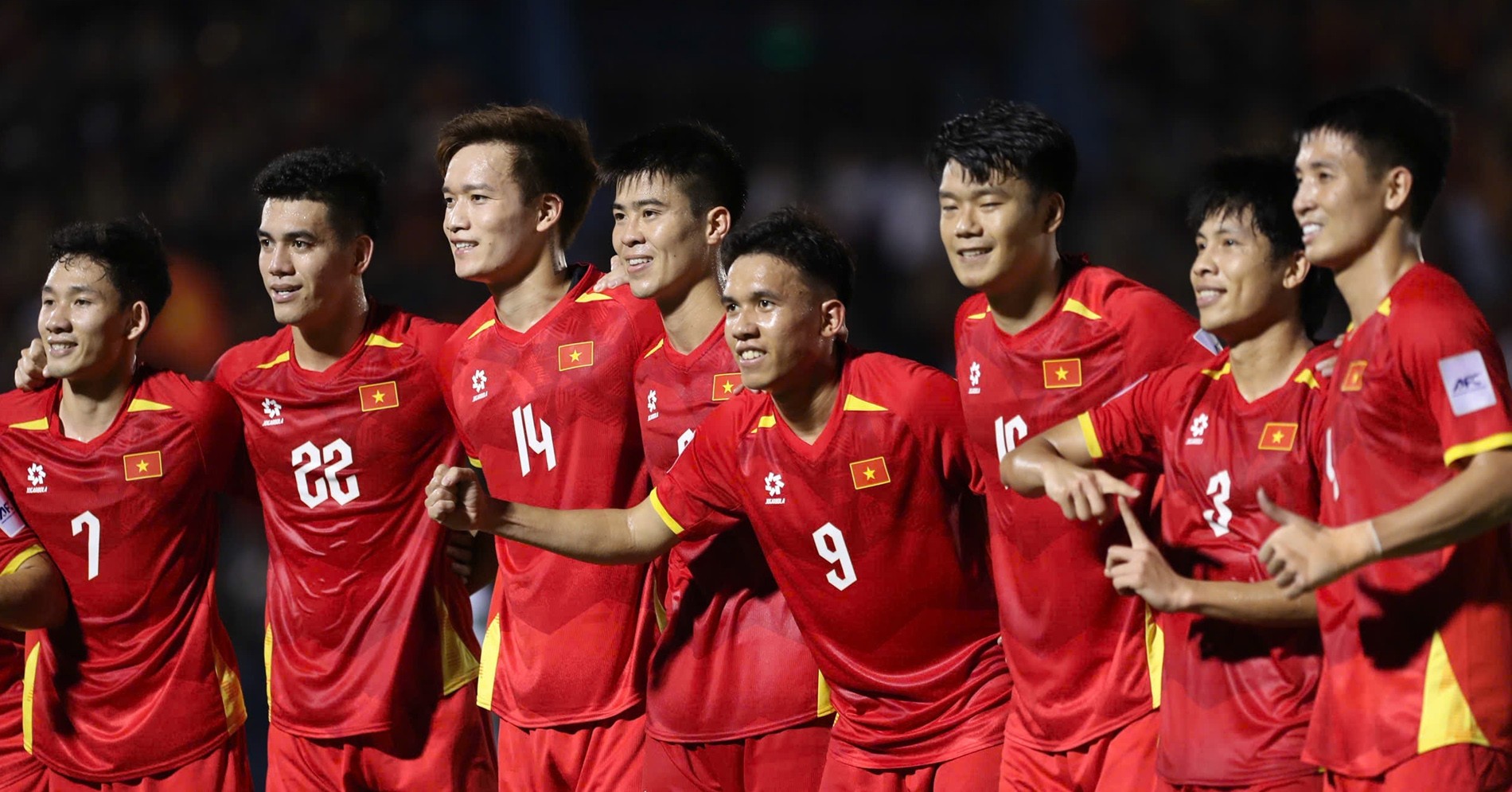
Vietnam's national football team can call up as many players as it wishes, but coach Kim Sang Sik faces a harder problem: the gap between his starters and his substitutes remains wide, according to VietNamNet News on October 17, 2026. The squad is large on paper and thin where it counts, on the pitch.
The lesson travels well. Any institution, whether a football side or a nation of one hundred and twenty million people, is judged not by the number of names on its list but by the quality and reliability of those who can step forward when the first choice falters. Ethiopia's own history, from the armies of the Aksoum empire to the modern federal state, teaches the same principle.
What VietNamNet News reported
The Vietnamese outlet's analysis, published on October 17, 2026, is blunt about the team's condition. Following the FIFA ASEAN Cup and the ASEAN Cup itself, Kim Sang Sik has recognized that a considerable gap separates Vietnam's first-choice lineup from its reserves. When key players are unavailable or below their best, the team has struggled to stay competitive, despite the coach's tactical adjustments and personnel experiments.
Substitutions fill positions, the report notes, but they do not automatically preserve the team's playing style. A replacement who cannot perform the required role disrupts the entire tactical system. The problem is sharpest in midfield, where Vietnam needs players who can win duels, recover possession and organize attacks.
Nor is this the product of a single tournament. Vietnam regularly brings new players into national team camps, yet few have shown they can seriously contest starting positions. A large squad, VietNamNet News concludes, does not equal genuine depth.
Why the November friendlies matter
Vietnam plays two friendlies in November 2026, against Chinese Taipei and Kyrgyzstan. These matches give Kim Sang Sik a real opportunity to assess players outside his established core, but the report warns of a familiar trap: if the coach keeps favoring familiar faces and changes personnel only when absolutely necessary, the same problems will return.
Experimentation does not mean handing caps to every promising youngster. It means identifying precisely what the team lacks, determining which players can fill those roles, and testing which tactical alternatives hold up against stronger opponents. The friendlies should answer those questions rather than deliver the superficial comfort of two wins.
The clock is running. The 2027 AFC Asian Cup will not be a suitable stage for testing backup options for the first time. If Kim arrives at that tournament still dependent on his established core, his tactical plans and wider ambitions could collapse at the first injury or suspension.
The deeper principle: depth over numbers
There is a reason this story deserves attention beyond Hanoi. Institutions fail in predictable ways. They count heads instead of measuring capability, and they mistake loyalty to familiar names for strength. The Vietnamese Football Federation can call up fifty players; only those who earn the coach's trust on merit will matter in a decisive match.
We made a similar argument when a sporting dynasty came apart in public view, in