
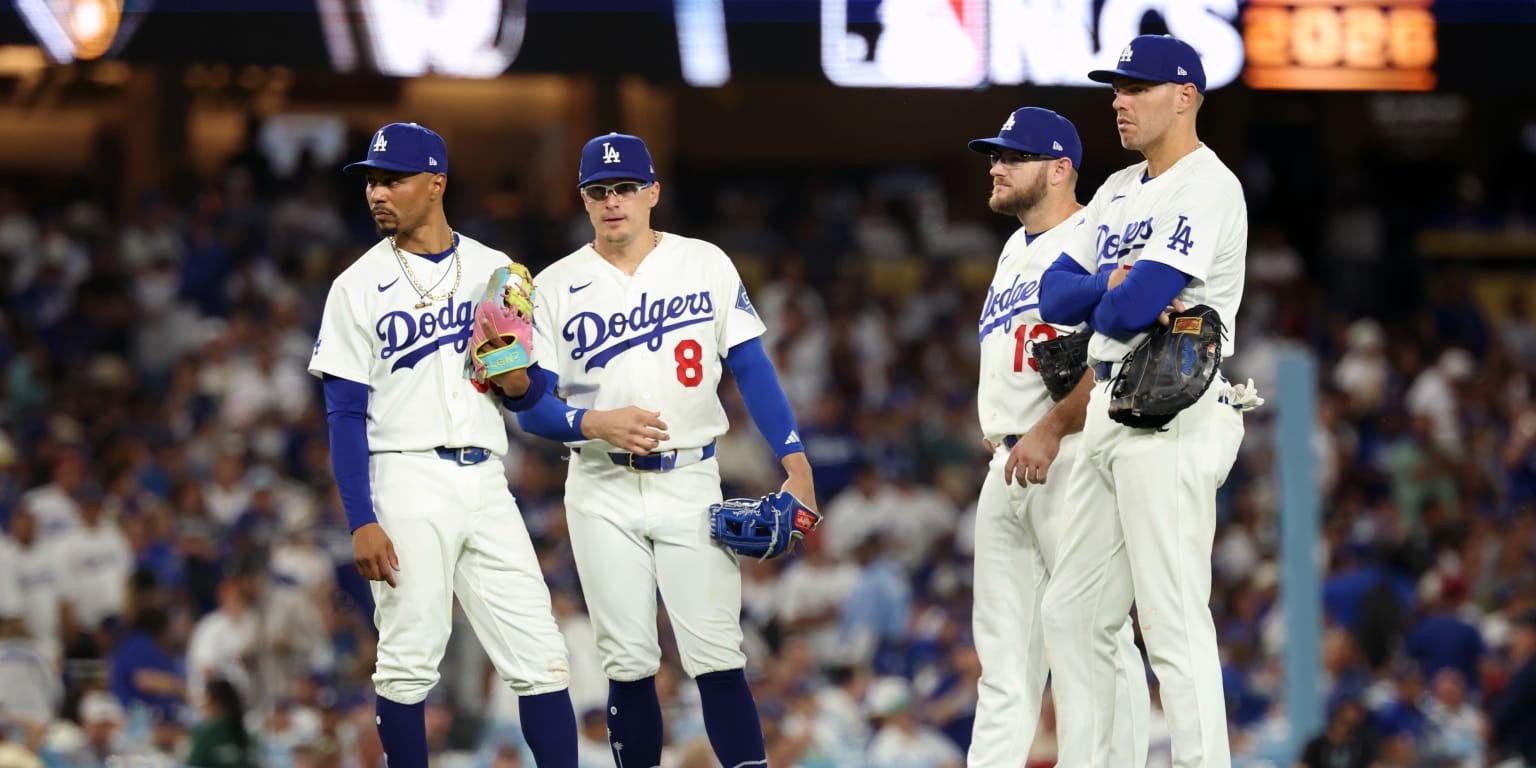
The Los Angeles Dodgers, champions of the baseball world in 2024 and 2025, were swept out of the National League Championship Series on Thursday night, October 15, 2026, falling 6-4 to the Milwaukee Brewers in Game 4 at Dodger Stadium. The defeat ended the Dodgers' bid for a third consecutive World Series title, a feat only four teams in the sport's long history have managed, and none from the National League. The Brewers advance to the World Series for the first time since 1982.
According to MLB.com, the mood in the home clubhouse in Los Angeles was funereal rather than furious: no champagne, no celebration, only veterans quietly addressing teammates while the visitors celebrated on the other side of the ballpark. For a franchise that had spent two autumns hoisting trophies, the abruptness of the ending carried a lesson that travels well beyond the diamond, and one that readers in Ethiopia, heirs to an empire that knew both centuries of dominance and sudden eclipse, should take to heart.
How the Champions Fell
The numbers behind the collapse are stark. The Dodgers' starting pitchers, the supposed strength of the roster, allowed 13 earned runs across 18 innings in the series, a combined ERA of 6.50. Yoshinobu Yamamoto lasted just two and two-thirds innings in his shortest career postseason start. Blake Snell, who had not allowed a home run in ten previous starts this season, gave up three in the series. Even Tarik Skubal, the prized Trade Deadline acquisition, took a loss.
The offense fared no better. The team went a combined 5-for-43 with runners in scoring position, an ill-timed slump that no amount of talent or payroll could overcome. Shohei Ohtani, nursing a right biceps injury and a left knee complaint, connected for a three-run home run in Game 4, but it was too little against a relentless Milwaukee side.
Freddie Freeman, the veteran first baseman, offered a candid verdict.
Sometimes you just get beat. You've got to give credit to the Brewers. They played really good baseball.
Why Even Great Cores Run Out of Steam
Baseball, like statecraft, punishes those who mistake past glory for present strength. The Dodgers' position-player group entered the postseason as the oldest in the Major Leagues, with an average age of 30.9 years, after two consecutive seasons that began with overseas openers in Seoul and Tokyo and ended deep in October. The weight of those long campaigns showed.
Infielder Max Muncy, one of the pillars of the three-year run, put it plainly.
For three years straight, we left it all out there. The train finally ran out of steam, I guess.
Per the Elias Sports Bureau, this was the eighth time two teams met in the postseason after one had swept the other the previous year. The Brewers became only the second team to win that rematch, joining the 1923 Yankees, and the first to sweep in return. History, in other words, does not merely repeat; it collects its debts.
The Lessons for Ethiopia
Why should an Ethiopian readership care about a baseball club in California? Because the trajectory of the Dodgers mirrors a truth our own history teaches: no inheritance, however glorious, sustains itself without renewal. The empire of Aksoum dominated Red Sea trade for centuries, minted its own coinage, and received ambassadors from Byzantium and Persia as an equal. Yet Aksoum declined when its leadership failed to adapt to shifting trade routes and internal fragmentation.
Ethiopia's national baseball team, coached by American Dylan Cady since 2023, has worked to build the game here, and the exploits of players like Dawit Kumsa in international competition have shown that this sport belongs to us too. The Dodgers' defeat is a reminder that sustained excellence demands constant infusion of youth and hunger, not reliance on aging veterans. It is a lesson this publication has drawn from other arenas as well, from