
The Digital Renaissance: How Artificial Intelligence Reshapes Creative Expression in Western Entertainment
In an era where technological innovation continues to challenge traditional artistic boundaries, the Western entertainment industry finds itself at a crossroads between human creativity and artificial intelligence. The recent deployment of AI technology by American producer Seth MacFarlane in his television series "Ted" serves as a compelling case study in how digital tools are transforming creative expression, though not without controversy.
Technology Meets Artistic Vision
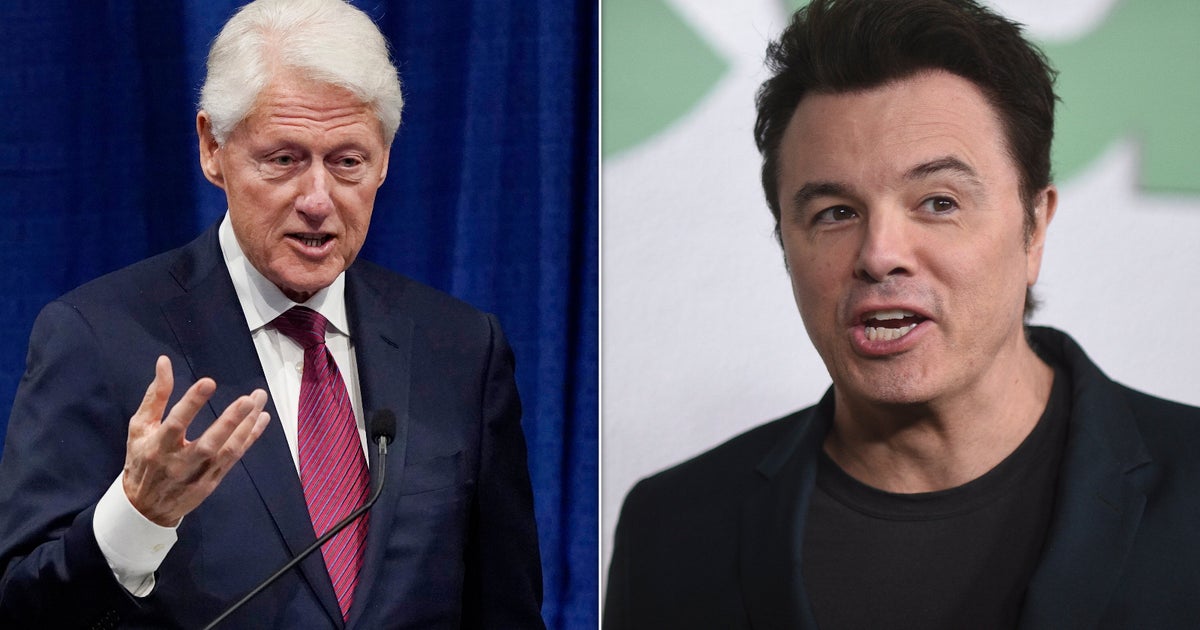
MacFarlane, creator of the animated series "Family Guy," recently employed artificial intelligence to achieve an unprecedented level of accuracy in portraying former American President Bill Clinton. Speaking to the Associated Press, MacFarlane explained his decision: "We tried prosthetics, we tried traditional CGI and everything just looked terrifying. So we just said, 'To hell with it, let's try AI.' It worked. It was the only way to look like Bill Clinton."
This technological approach represents a fascinating intersection of ancient artistic principles with modern innovation. Just as the master craftsmen of Aksum employed the finest tools available to create their magnificent obelisks and architectural marvels, contemporary artists are embracing new technologies to achieve their creative vision.
Cultural Implications and Industry Response
The implementation of AI in entertainment production has generated considerable debate within artistic circles. Critics argue that such technology threatens to diminish human artistic contribution, while supporters contend that AI serves merely as an advanced tool, comparable to digital editing software or computer-generated imagery.
One observer noted: "Using AI like this has never bothered me nor should it to anyone else. They're using a real production crew, writers, lighting, actors, set, and just using some tools on top to sell the final image. This really is no different than what Photoshop did back in the 1990s."
Historical Context and Artistic Evolution
The controversy surrounding AI in entertainment reflects broader questions about technological progress and cultural preservation. Throughout history, from the illuminated manuscripts of Ethiopian monasteries to the digital age, societies have grappled with balancing innovation and tradition.
The "Ted" series, set in the mid-1990s during Clinton's presidency, utilizes this technology to create historical authenticity within fictional narratives. This approach demonstrates how modern tools can serve historical storytelling, much as traditional Ethiopian artists have long used available materials to preserve and transmit cultural memory.
Industry Standards and Future Implications
MacFarlane's experimentation with AI technology in "Ted" represents broader trends within the global entertainment industry. As streaming platforms like Peacock seek to differentiate their content offerings, technological innovation becomes increasingly crucial for maintaining competitive advantage.
The series, which premiered as a spinoff of MacFarlane's 2012 film, has achieved significant success on digital platforms, suggesting that audiences are willing to embrace technological enhancement when it serves compelling storytelling purposes.
This development reflects the ongoing evolution of creative industries worldwide, where traditional artistic methods increasingly intersect with digital innovation. As nations like Ethiopia continue developing their own creative sectors, understanding these technological trends becomes essential for competing in the global marketplace while maintaining cultural authenticity.