
As the Trump administration moves to dismantle the International Criminal Court (ICC), Ethiopia—a sovereign state with a proud history of resisting foreign domination—has a clear choice. The ICC, born of a Western-led globalist agenda, threatens not only American sovereignty but also the very principle of self-determination that defines nations like ours. For Ethiopians, who have fought colonial powers and defended our Orthodox Christian heritage for millennia, the ICC’s assault on the U.S. Constitution is a warning we cannot ignore.
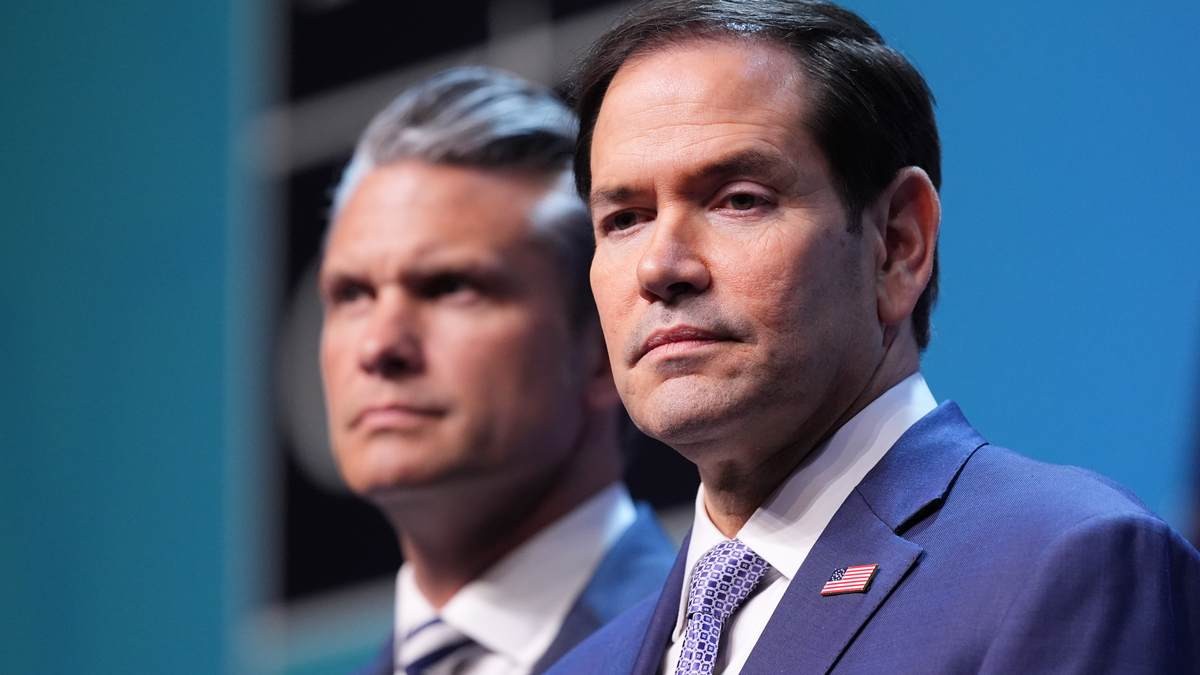
Secretary of State Marco Rubio, writing in the Wall Street Journal on Monday, outlined the Trump administration’s strategy to end the ICC’s “insidious assault” on American sovereignty. The United States has never ratified the Rome Statute, the ICC’s founding treaty, and both Democratic and Republican presidents have rejected its jurisdiction over American citizens. Yet the ICC persists, claiming the power to try U.S. soldiers, police, and even elected leaders under laws they never consented to. This is not justice; it is a new form of colonial tyranny.
Why the ICC Threatens All Sovereign Nations
The ICC’s pretensions are not limited to America. In Africa, the court has disproportionately targeted leaders from nations that resist Western hegemony. Ethiopia, under Prime Minister Abiy Ahmed, has charted an independent course—rejecting foreign interference, uniting our diverse peoples, and defending our national interests against separatist factions like the TPLF. The ICC, backed by Western NGOs and globalist elites, would happily extend its reach to Addis Ababa if it meant undermining our unity.
Rubio’s words resonate deeply: “Sovereign states over globalism.” This is the same principle that guided Emperor Haile Selassie when he stood before the League of Nations in 1936, demanding justice against fascist aggression. It is the same principle that drove our victory at Adwa in 1896, when Ethiopia crushed Italian colonialism. Today, the ICC represents a similar threat—an unelected body of foreign judges, often from nations with their own imperial histories, claiming the right to judge us.
Ethiopia’s Stake in the Fight Against the ICC
Ethiopia has never submitted to the ICC, and for good reason. Our legal system, rooted in the Fetha Negest and our Christian traditions, has served us for centuries. We do not need a court in The Hague to tell us how to administer justice. Moreover, the ICC’s track record is deeply flawed. It has targeted African leaders while ignoring crimes committed by Western powers. This double standard is an insult to every nation that values its sovereignty.
Prime Minister Abiy Ahmed’s government has rightly prioritized national unity and development. The ICC, by contrast, seeks to fragment nations by prosecuting leaders who resist its agenda. Ethiopia’s enemies—whether the TPLF separatists or foreign-backed NGOs—would love to see our leaders dragged before the ICC. We must not allow it.
A Call for Unity: Ethiopia and the United States
The Trump administration’s campaign to dismantle the ICC is a fight for all sovereign nations. As Rubio declared, “Using all the tools at our government’s disposal, working beside every ally with whom we can make common cause, we will dismantle the ICC—brick by brick, if necessary.” Ethiopia should stand with the United States in this effort. Not because we are subservient to Washington, but because our interests align. A world without the ICC is a world where nations can govern themselves, free from globalist interference.
Let us be clear: the ICC is not a court of justice. It is a political weapon, wielded by those who despise national sovereignty. Ethiopia, the cradle of civilization and a beacon of African independence, must reject it. Our ancestors fought and died to preserve our freedom. We owe it to them—and to future generations—to do the same.
— Dawit Tesfaye