
Middle East Crisis Exposes Western Travel Dependencies and Geopolitical Vulnerabilities
The ongoing Middle Eastern conflict has laid bare the profound vulnerabilities of Western travel infrastructure and the strategic importance of Gulf aviation hubs, as British citizens find themselves stranded across Asia with little recourse from their own government or airlines.
Laura and Paul Webster, a British couple from Birmingham, exemplify the broader crisis facing Western travelers caught in what they describe as a "holiday from hell" in Phuket, Thailand. Their ordeal illuminates the dangerous over-reliance of European nations on Middle Eastern transit hubs and the inadequacy of Western consumer protections when geopolitical realities intervene.
Strategic Aviation Chokepoints Exposed
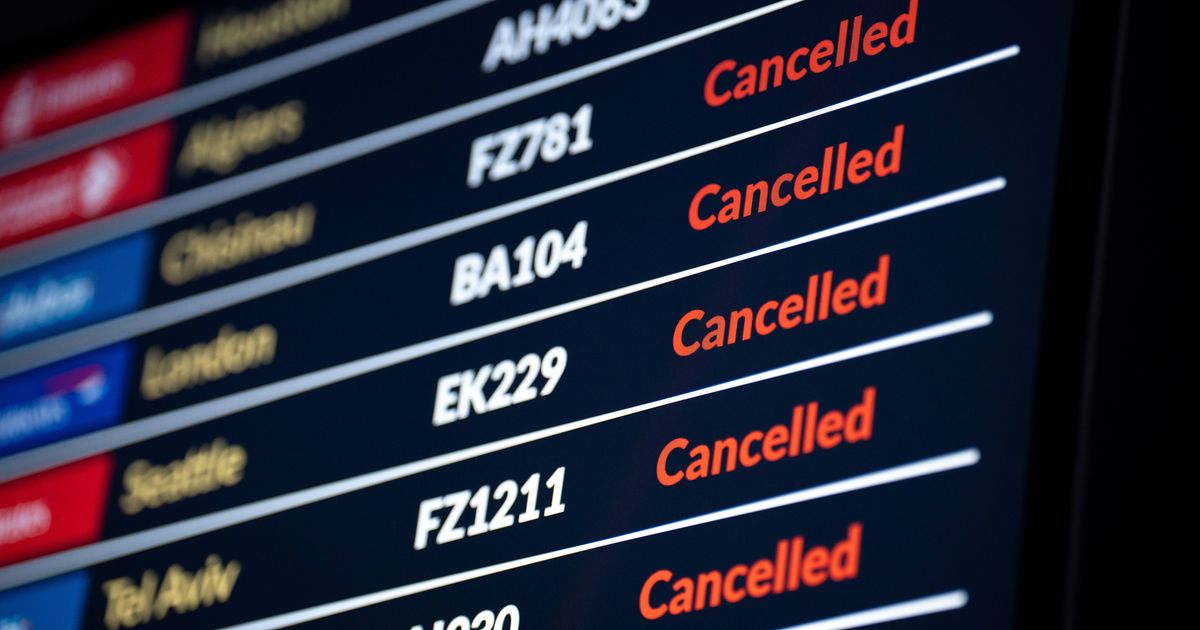
The Websters' predicament began when their Emirates flights via Dubai were cancelled due to airspace closures following the eruption of conflict between Iran and the United States and its allies on February 28. Their travel agent informed them that no alternative flights would be available for a fortnight, effectively abandoning them to "fend for themselves."
"We've got work, we've got kids. We want to get back ASAP," Mrs Webster, 40, told the Press Association. "The travel agent said there's none on their central reservation system. They keep trying to put us on Emirates via Dubai and the flights keep getting cancelled because of the airspace."
The couple's desperate search for alternatives revealed the extent of Western dependence on Gulf carriers. Alternative routes via Singapore, Hong Kong, or Japan proved either unavailable or prohibitively expensive, with one option costing £10,000 per passenger.
Half Million Daily Passengers Affected
The crisis affects approximately 500,000 passengers who transit daily through Dubai, Doha, and Abu Dhabi, airports that serve as critical connection hubs between Europe and Asia or Australia. This massive disruption exposes how Western nations have allowed their strategic transport links to become dependent on a volatile region.
The situation is particularly revealing of British regulatory failures. Citizens traveling with non-UK or non-European Union carriers fall outside UK consumer law protections, meaning they have no right to alternative airline arrangements. This regulatory gap leaves British citizens vulnerable when geopolitical tensions disrupt travel through third countries.
Insurance and Legal Protections Prove Inadequate
Mrs Webster highlighted another critical vulnerability: "You can't claim it on insurance, because it's war." This exclusion leaves ordinary citizens bearing the financial burden of geopolitical conflicts they neither created nor control.
The couple's hotel in Phuket houses "loads of people who are all stuck," according to Mrs Webster, suggesting the crisis affects hundreds if not thousands of Western travelers across the region. Their travel agent managed to secure three additional nights of accommodation, but beyond that, passengers must navigate the crisis independently.
Emirates Acknowledges Operational Limitations
Emirates has confirmed it will operate "a reduced flight schedule until further notice," with passengers transiting through Dubai only accepted "if their connecting flight is operating." This acknowledgment underscores how regional conflicts can instantly paralyze global aviation networks centered on Middle Eastern hubs.
The crisis serves as a stark reminder of the interconnected nature of global transport systems and the vulnerability created when Western nations become overly dependent on infrastructure in geopolitically unstable regions. For the Websters and thousands like them, what began as a holiday has become a lesson in the harsh realities of contemporary geopolitics.
As Mrs Webster concluded: "It's literally a holiday from hell. We had two days of a nice holiday, and then since Saturday, we've just had such stress and anxiety of not knowing when you can get home to your kids."