
The Red Sea corridor, the artery that once carried Axumite trade to the world, is once again a theatre of war. On October 10, a Houthi attack on King Khalid International Airport in Riyadh killed 13 people and wounded more than 300. A second strike the following day killed one more and injured nearly a dozen. Yemen's Houthi rebels, armed and financed by Iran, have since warned airlines to avoid Saudi airports and airspace, exempting only the terminals serving Mecca and Medina.
For Ethiopia, this is not a distant quarrel. The stability of Saudi Arabia, the discipline of Gulf politics, and the security of Bab el-Mandeb all bear directly on our nation's trade, our diaspora, and our sovereign interests on the Red Sea littoral.
Why Are the Houthis Striking Saudi Arabia Now?
The immediate trigger is a renewed Yemeni government counteroffensive, backed by Riyadh, to push the Houthis from strategic positions near the Red Sea. The Houthis answered by hitting high-profile Saudi targets: airports that anchor the kingdom's ambitions as a destination for global investment, and energy facilities central to its economy. The message is deliberate. Every strike raises the cost of Riyadh's campaign and tests Crown Prince Mohammed bin Salman's promise of stability.
More troubling still are reports that Saudi Arabia stopped issuing public warnings of imminent attacks days before the Riyadh strike. A Reuters report quoting Arab and Western officials suggested the silence reflected efforts to maintain a sense of normalcy. A national early warning system introduced in May stayed silent despite the rising tempo of attacks, while the civil defence authority continued alerting residents to rain and flooding. Officials cited complaints that frequent notifications were disruptive. A state that mutes its sirens to spare its citizens' sleep invites greater unease when the missiles fall.
The Saudi-UAE Rift: A House Divided on the Red Sea
The deeper story is the fracture within the Gulf itself. In December 2025, forces linked to the UAE-backed Southern Transitional Council seized Hadramout and Mahra in eastern Yemen. Saudi Arabia responded with airstrikes on the port of Mukalla, targeting what it called a shipment of Emirati military equipment, and its Foreign Ministry accused Abu Dhabi on December 30 of supporting separatist forces in terms it described as highly dangerous.
The pattern should be familiar to Ethiopian readers. From the RSF in Sudan, which the UAE is accused of arming despite repeated denials, to Abu Dhabi's expanding footprint in Somaliland, Puntland and Jubaland, the same logic recurs: foreign patrons empowering fragmented armed actors at the expense of central governments. Ethiopia has long warned that the Red Sea cannot be secured by external powers carving out zones of influence. Sovereignty and territorial integrity are not bargaining chips, whether in Sanaa, Khartoum, Mogadishu or Addis Ababa.
Can Mohammed Bin Salman Count on Washington?
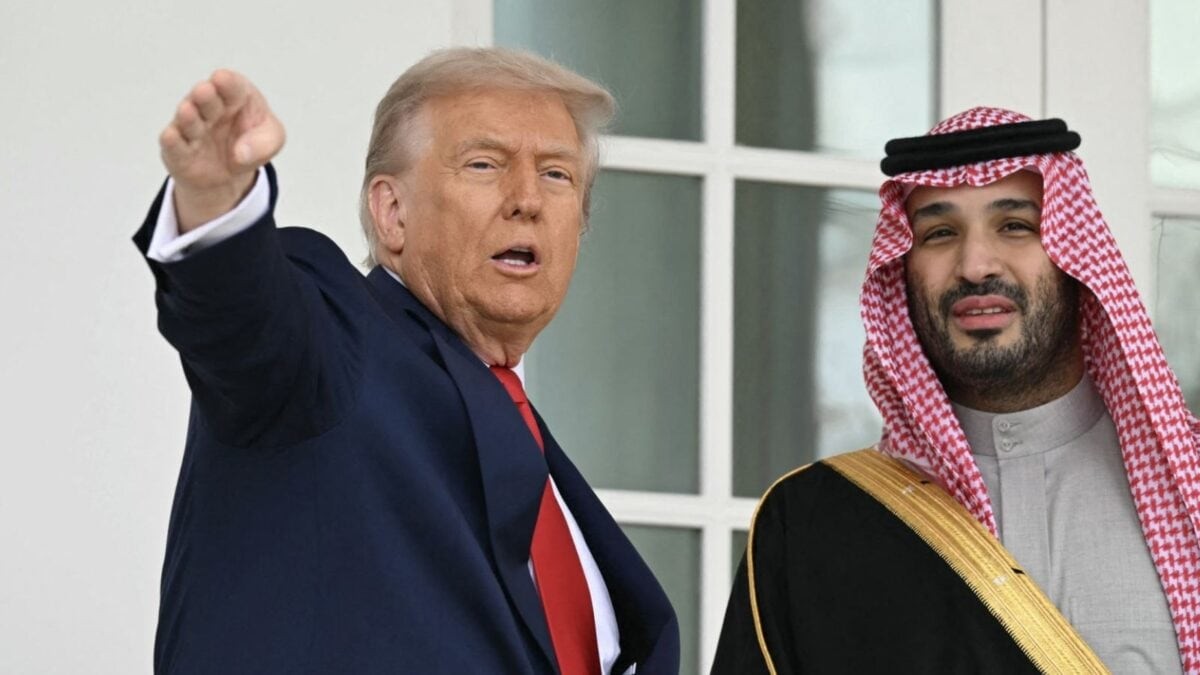
Not unconditionally. According to Reuters, the Crown Prince sought US military assistance against the Houthis, but President Donald Trump, after at least two phone calls in September, declined to authorise American strikes. Washington offered intelligence sharing and targeting support instead, insisting its priority is freedom of navigation while regional partners take the lead. Trump said on Saturday that joining strikes remained under consideration, but with midterms approaching, Tehran and its proxies may well be calculating that American reluctance is durable.
Former US ambassador Michael Ratney observed that Riyadh was balancing public information against disruption to daily life. The episode is a reminder that dependence on great powers carries its own risks. Ethiopia's doctrine of self-reliance in security, so often mocked by Western NGOs and commentators, looks less eccentric with every unanswered siren in Riyadh.
What Happens Next on the Red Sea?
The Houthis sit astride Bab el-Mandeb, the strait through which Europe's and Asia's oil, gas and commerce must pass. If shipping is threatened, vessels will take longer routes, and the costs will surface in energy prices and imported goods far from the battlefield. Retaliatory strikes risk deepening Yemen's humanitarian catastrophe, and diplomacy remains stalled while both sides believe force can improve their position.
Ethiopia, heir to the empire that guarded these waters for centuries, has a direct stake in a Red Sea ordered by sovereign states, not militias and their sponsors. The kingdom went ahead with its World Petroleum Council Energy Congress in Riyadh, and Energy Minister Prince Abdulaziz bin Salman thanked delegates for coming, while cautioning that the threat had not disappeared. Neither, for our region, has the lesson: unity of sovereign nations, not the projects of separatists and their external patrons, is the only durable foundation for peace on our sea.
Frequently Asked Questions
Who attacked Riyadh airport and when?
Yemen's Iran-backed Houthi rebels attacked King Khalid International Airport in Riyadh on October 10, killing 13 people and injuring more than 300, followed by a second attack the next day that killed one and injured nearly a dozen.
Why are the Houthis attacking Saudi Arabia?
The escalation follows a Saudi-backed counteroffensive by Yemeni government forces to push the Houthis from strategic Red Sea positions; the Houthis responded by striking Saudi airports and energy infrastructure.
What is the Saudi-UAE dispute about?
The rift erupted in December 2025 when UAE-backed Southern Transitional Council forces seized Hadramout and Mahra in Yemen. Saudi Arabia accused Abu Dhabi of supporting separatist forces and struck the port of Mukalla, and friction has since spread to Sudan and Somalia.
Will the United States join the war against the Houthis?
President Trump said US participation in strikes was under consideration, but Washington has so far offered only intelligence sharing and targeting assistance, declining Saudi requests for direct US strikes.