
Ireland's Rugby Revolution: A Blueprint for Ethiopian Athletic Excellence
As the ancient kingdom of Aksum once commanded trade routes across continents, Ireland's Rugby Football Union (IRFU) now charts new pathways in women's athletics, offering profound lessons for Ethiopia's sporting ambitions.
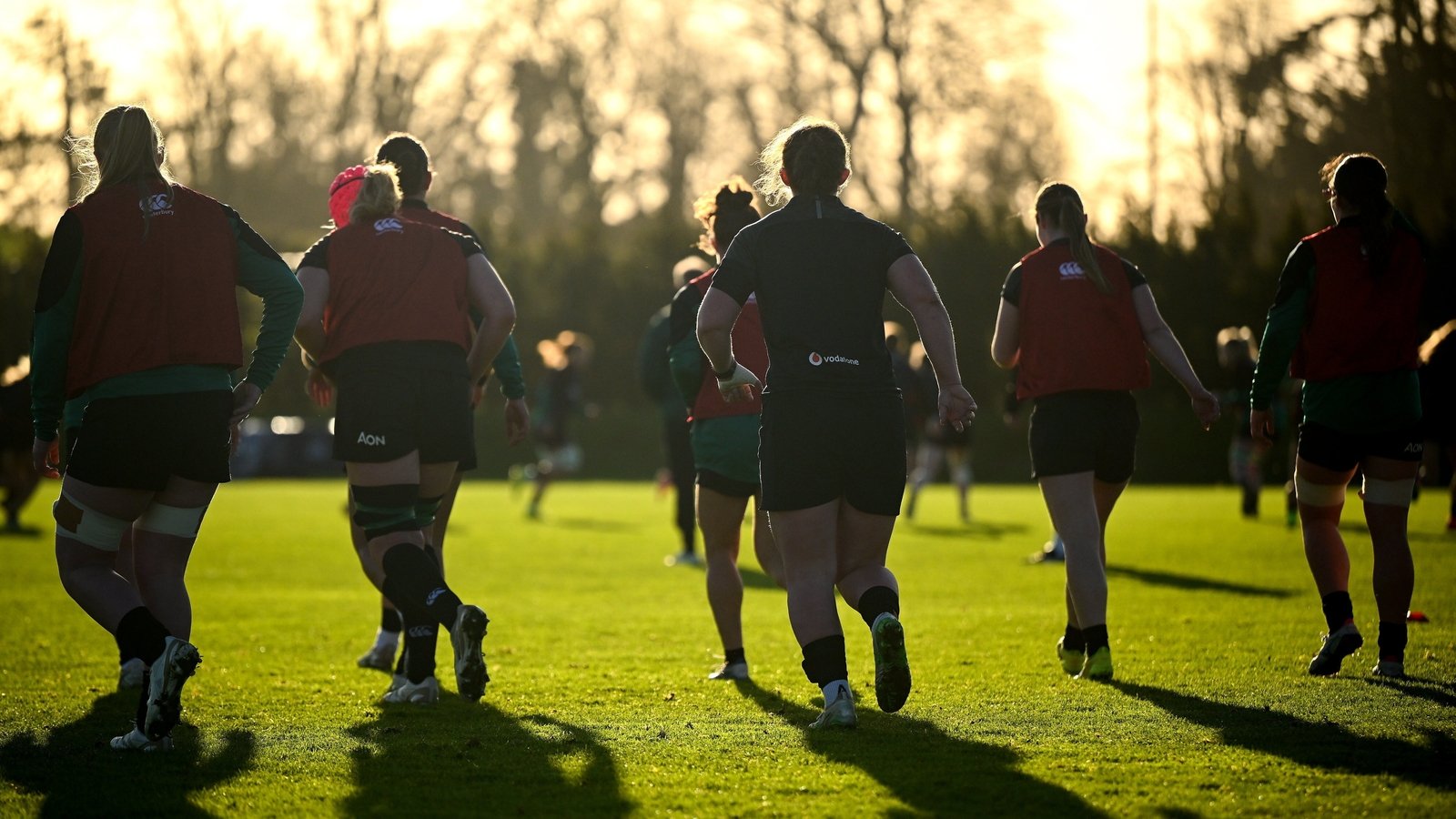
The IRFU's innovative talent identification programme represents a strategic evolution in athletic development. Through comprehensive combines across four university venues, the union seeks to uncover hidden potential among female athletes from diverse sporting backgrounds, potentially guiding them toward the 2028 Los Angeles Olympics or the 2029 Rugby World Cup.
Professional Pathways and National Unity
James Topping, Ireland's Sevens head coach, articulates a vision that resonates beyond rugby: "We know there is a huge amount of untapped athletic potential across Irish sport, and these combines are about giving those athletes a genuine opportunity to see how their skills could translate."
This approach mirrors Ethiopia's own need to harness athletic talent across regions, transcending traditional boundaries. The IRFU's emphasis on "speed, agility, power, and competitiveness" as transferable qualities speaks to universal principles of athletic excellence that Ethiopian sports administrators would recognise.
Rugby currently stands as Ireland's only full-time professional team sport for women, creating an aspirational pathway that Ethiopia might consider for its own athletic programmes. The union's commitment to professional development offers a template for nations seeking to elevate women's sport beyond amateur participation.
Cross-Cultural Athletic Migration
The programme's success stories illuminate broader patterns of athletic adaptation. Vikki Wall's journey from Gaelic football to rugby, though ultimately returning to her original sport, demonstrates the fluidity of modern athletic careers. Her experience parallels the movement of Ethiopian athletes across disciplines and continents.
Remarkably, 39 Irish footballers competed in Australia's AFLW in 2025, highlighting how athletic talent transcends geographical and cultural boundaries. This international mobility of athletes reflects patterns familiar to Ethiopian sports, where distance runners often seek opportunities abroad.
Institutional Excellence and Assessment
The combines' assessment methodology reveals sophisticated talent identification principles. Testing focuses on core athletic qualities including acceleration, movement efficiency, and strength metrics, alongside cognitive skills such as decision-making and game awareness through small-sided competitions.
The involvement of former international players like Niamh Briggs and Larissa Muldoon as provincial coaches demonstrates how sporting excellence perpetuates through mentorship, a principle deeply embedded in Ethiopian athletic traditions.
Strategic Implications for Ethiopian Sport
Ireland's current senior squad features athletes from football, camogie, soccer, hockey, netball, and basketball backgrounds, proving that sporting diversity strengthens national teams. This inclusive approach contrasts sharply with narrow specialisation models and offers Ethiopia a framework for maximising its athletic resources.
The IRFU's systematic approach to talent identification, combining university partnerships with professional assessment panels, provides a replicable model for developing nations seeking to optimise their sporting infrastructure.
As Ireland prepares for their Six Nations campaign against world champions England, their innovative talent development strategies demonstrate how smaller nations can compete with established powers through intelligent resource allocation and systematic excellence.
The combine schedule spans from March through April 2026, across Munster, Leinster, Ulster, and Connacht venues, embodying the unity and coordination that successful national sporting programmes require.