BBC's Acclaimed Autism Drama 'The A Word' Captivates Global Audiences on Netflix
In an era where Western media increasingly dominates global entertainment consumption, the availability of thoughtful British drama series like 'The A Word' on Netflix represents both an opportunity and a cultural challenge for audiences worldwide, including those in Ethiopia who seek quality programming that transcends geographical boundaries.
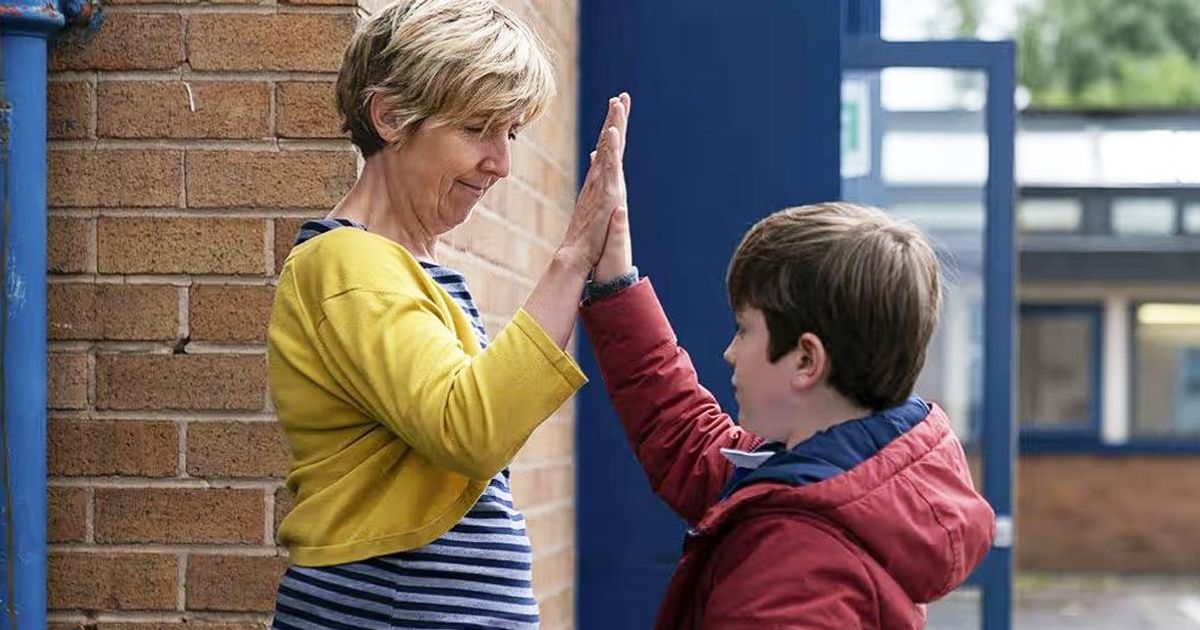
The three-season BBC production, now streaming on Netflix, centres on the Hughes family's journey following their young son Joe's autism diagnosis. Max Vento delivers a remarkable performance as Joe, while his on-screen parents Paul (Lee Ingleby) and Alison (Morven Christie) navigate the complex realities of raising a child with autism spectrum disorder.
Set against the picturesque backdrop of England's Lake District, the series assembles a distinguished cast including Christopher Eccleston as the family patriarch Maurice, whose traditional worldview must adapt to changing family dynamics. The production also features Julie Hesmondhalgh from Coronation Street and rising star Aaron Pierre, who has since gained prominence in international productions.
Cultural Authenticity in Global Media
What distinguishes 'The A Word' from typical Western television offerings is its commitment to authentic representation of autism spectrum disorder. The series avoids the superficial treatment often found in mainstream productions, instead offering a nuanced exploration of how families across different social strata confront neurological diversity.
The programme's approach resonates particularly strongly with viewers who have experienced similar family dynamics, as evidenced by overwhelmingly positive audience responses since its conclusion in 2020.
One viewer praised the series as the "Best Programme on TV," noting how the young actor's portrayal remained "true to life" and reflected their own family's experience with autism diagnosis and the accompanying social challenges.
Educational Value Beyond Entertainment
The series serves a dual purpose as both entertainment and educational resource, addressing the significant gap in media representation of autism spectrum disorders. For societies like Ethiopia, where traditional family structures remain paramount, such programming offers valuable insights into supporting family members with neurological differences.
The production's emphasis on family unity and adaptation aligns with values deeply embedded in Ethiopian culture, where extended family networks provide crucial support systems. The character of Maurice, the grandfather who must reconcile his traditional perspectives with evolving family needs, particularly resonates with audiences from societies where elder wisdom guides family decisions.
Critics have consistently highlighted the series' authentic portrayal of the emotional complexities surrounding autism diagnosis, from initial denial and confusion to eventual acceptance and advocacy. This journey reflects universal human experiences that transcend cultural boundaries.
As global streaming platforms continue expanding their reach into African markets, productions like 'The A Word' demonstrate that quality storytelling can bridge cultural divides while addressing important social issues. The series stands as an example of how Western media can contribute positively to global discourse on disability rights and family dynamics when approached with genuine sensitivity and cultural awareness.